
Corporate Finance 101
Turn what investors expect into the language of management
From the time value of money, the foundation of corporate finance, to the different expectations of shareholders and lenders, WACC and ROIC, learn by working through case studies yourself.
- Format
- Audience
- Duration
- Dates and capacity
- Lecturer
You can read the numbers, but not through the eyes of those who provide the money
The same money, different expectations
Capital comes from shareholders and lenders. Shareholders look for future returns; lenders look for the capacity to repay. Understanding this difference is the starting point for capital structure and the cost of capital.
Equity
Shareholders
The question they ask: “How much will you grow the money we entrust to you?”
- What they look at
- Future returns. They expect growth that justifies the risk, through dividends and a rising share price
- Key measures
- ROE, cost of equity, price-to-book ratio, total shareholder return
Debt (loans and bonds)
Lenders
The question they ask: “Can you repay as agreed?”
- What they look at
- The capacity to repay. They check for cash flow that keeps covering interest and principal, and for financial stability
- Key measures
- Debt repayment period, interest coverage ratio, equity ratio
The weighted average of these two expectations is WACC, the weighted average cost of capital. Value is created only when the ROIC a business earns exceeds its WACC.
Learn by working through the cases
You work through calculation and analysis cases again and again, using Excel to work out the figures and reason from them yourself.
Time value of money exercises
The future value of a deposit, an investment in land and the present value of a trust paid out years from now. See how the value of the same sum changes as the discount rate moves.
Nike and adidas
Compare the world’s two largest sportswear makers using their published financial statements, and see how differences in profitability, capital efficiency and capital structure show up in enterprise value.
Logistics company A and logistics company B
Of two companies in the same industry, which one will money flow to, and why? Analyse them from three perspectives: the external environment (PESTEL), industry structure (five forces) and financials.
Advising as a CFO
Set out the external environment, financial position and strategy of logistics company A, and put together the advice you would give its management as a finance officer.
Skills and insights you will walk away with
How the programme is structured
Frequently asked questions
Do I need a background in finance or accounting?
No. We do not assume any bookkeeping knowledge, and we start from the time value of money and how to read the three financial statements.
Is it suitable for people outside finance and accounting?
Yes. It is designed for managers and executives in business units, sales, logistics and corporate planning. The aim is for those involved in investment and budget decisions to speak the same language as the finance team and the board.
How does it differ from “ROIC Management Led by the CLO” (NXGN-140)?
This seminar covers the foundations of corporate finance as a whole. NXGN-140 applies those ideas to logistics and supply chain measures. Taking them in sequence deepens your understanding.
How long is it, and in what format?
It is a half-day session (three to four hours) of lectures and case studies. We can also offer a full-day version, split it across several sessions or use your company’s disclosures as a case; please talk to us.
Interested in hosting this seminar at your organisation?
We are happy to tailor the schedule, capacity and format (in-person or online) to suit your needs. Enquiries from HR and corporate planning departments are most welcome.
Enquire about this seminarRelated research, insights and articles
Research themes
View research and insightsRelated articles
 Chronicle|10.15.2026National Logistics Convention 2026: logistics has reached the boardroom, and cost-cutting alone will no longer do
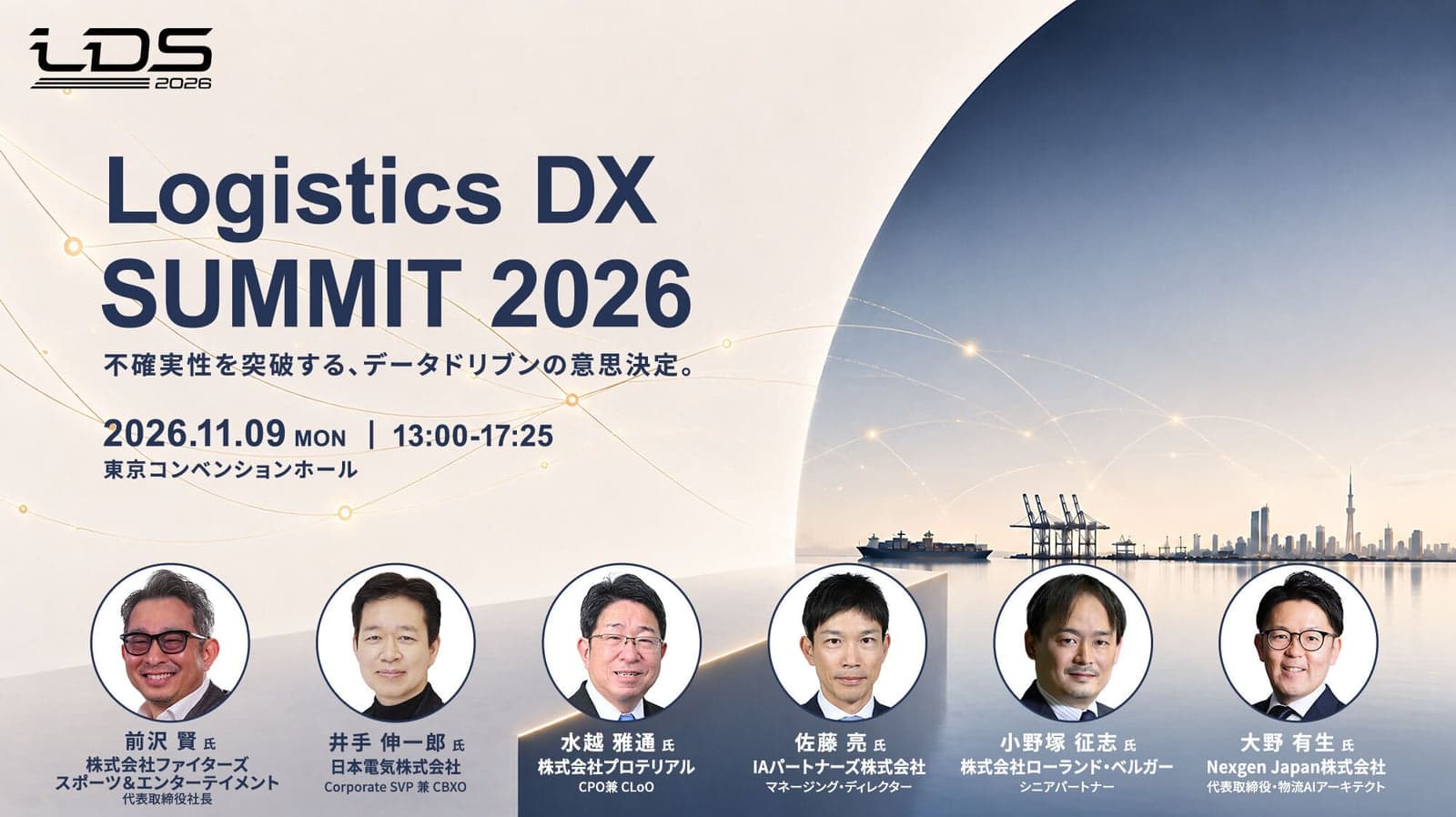 Media|10.10.2026Speaking at Logistics DX SUMMIT 2026, the "Davos of Logistics" (Tokyo Convention Hall)
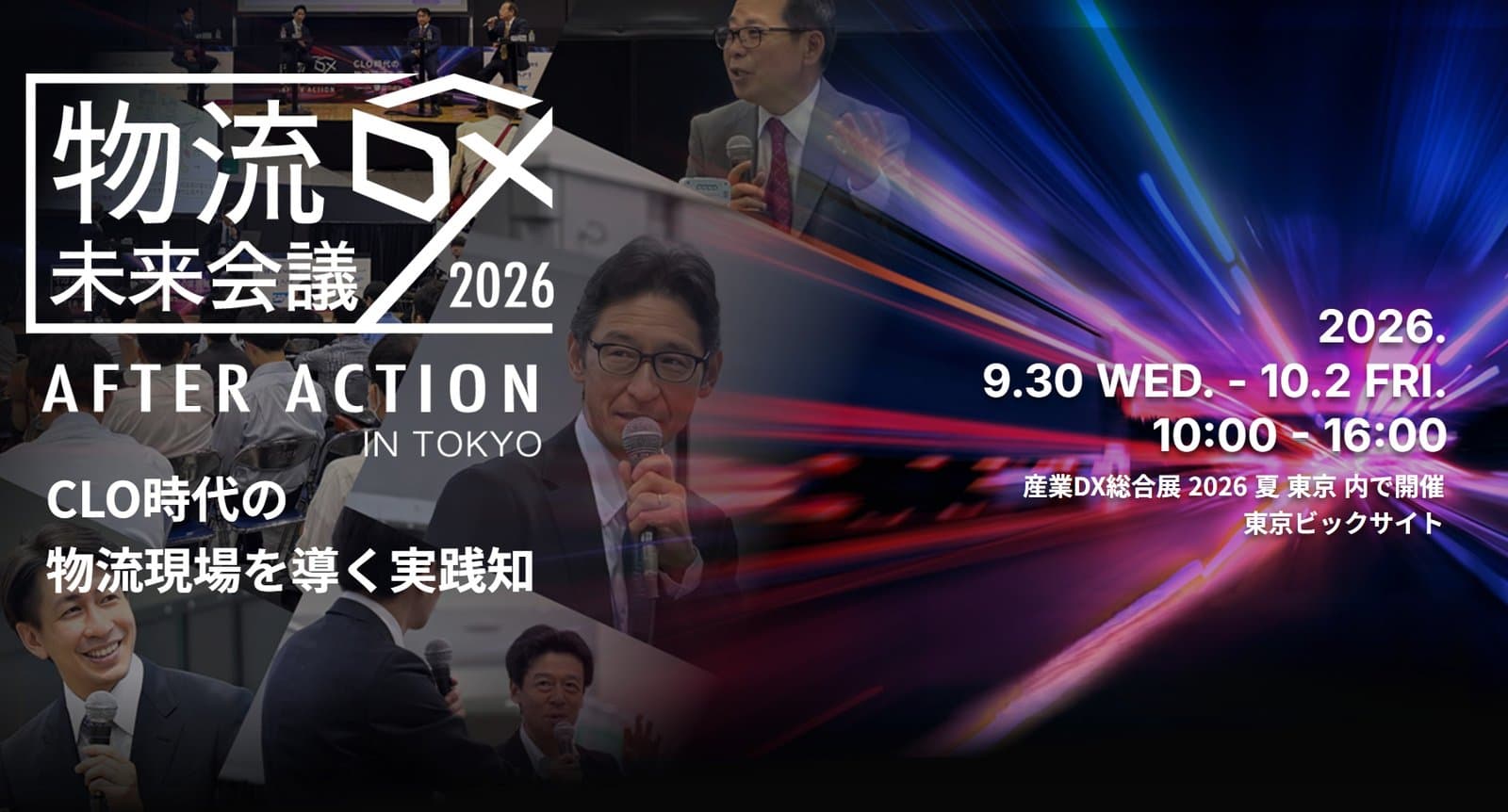 Media|09.17.2026Speaking at the Logistics DX Future Conference on Friday 2 October (Tokyo Big Sight)
Service
From the boardroom to the front line, an organisation fluent in AI.
View service details