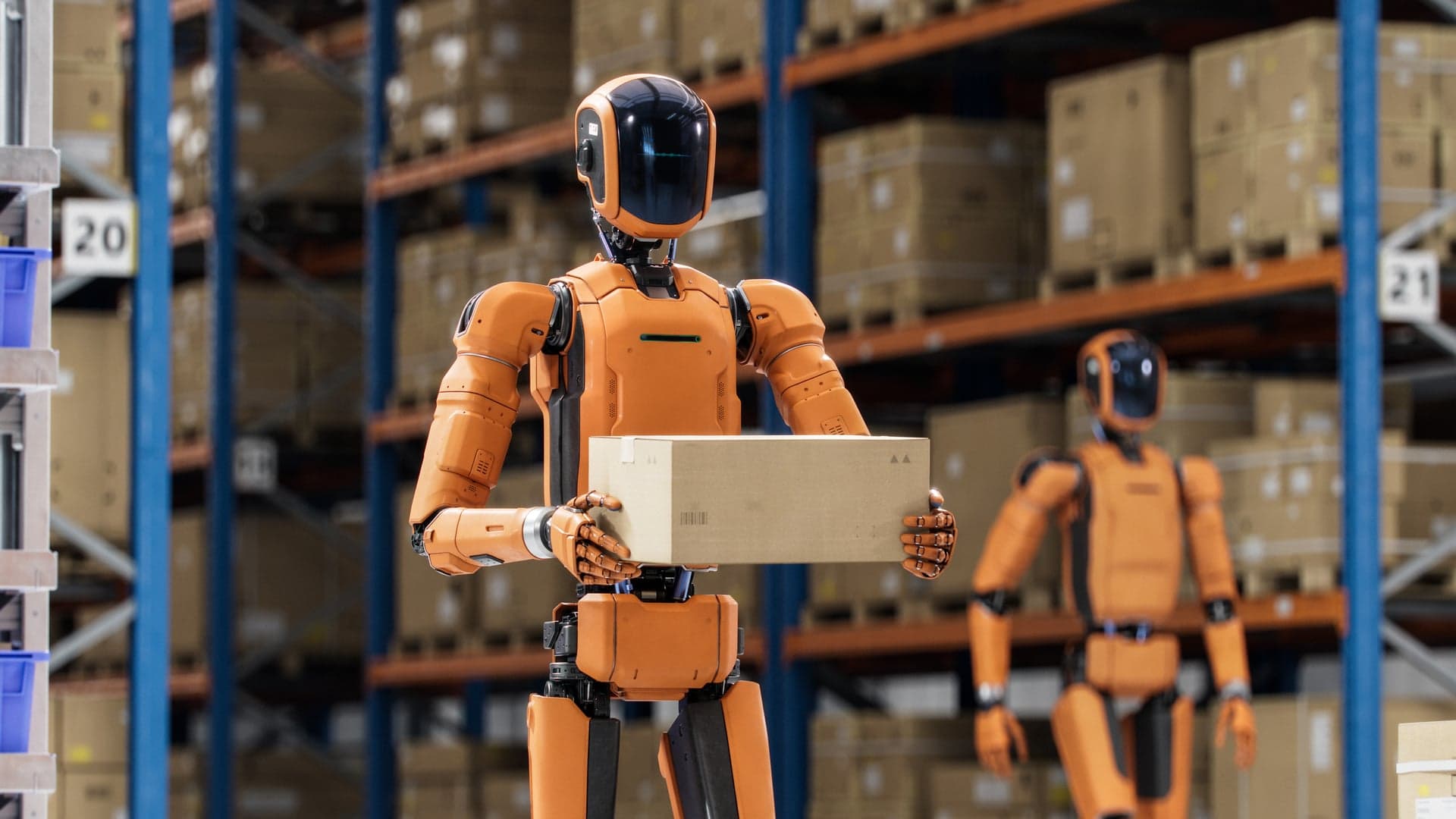
The Physical AI Shock
— Robots Reshaping Industry and Work
The world's robots are already on the shop floor. We map their impact across manufacturing, logistics, care and construction — so you can draw your own blueprint for human–robot collaboration.
- Format
- Audience
- Schedule
- Lecturer

"Physical AI" — you know the term.
But what does it mean for your operations?
After systematically understanding the technological impact, this is a space to craft a "collaboration blueprint" — one that can only be drawn when leadership steps onto the front lines.
Skills and insights you will walk away with
How the programme is structured
The Physical AI Shock: What Is Happening Inside the "Hyperbolic Time Chamber"
- The three core functions of robotics (eyes, brain, limbs) and how AI has evolved each
- What is the "Hyperbolic Time Chamber"? — the breakthrough born from ultra-high-speed training in virtual environments
- The reality of a humanoid achieving stable walking within 48 hours of assembly
- NVIDIA, Boston Dynamics, CES 2026 — the latest global case studies
- The automation frontier in warehousing and delivery, and a future where skills are "downloaded like apps"
What Becomes Visible When Leadership Steps Onto the Front Lines
- An ageing population and labour shortages as the "inevitability" drawing Physical AI forward
- Manufacturing, logistics, healthcare, construction — sector-specific impact estimates and Japan's unique context
- How to map out the division of roles between people and robots
What past participants say
Frequently asked questions
What is Physical AI?
Physical AI is the collective term for technologies that embed AI into robots and physical devices, enabling them to operate and make decisions autonomously in the real world. It impacts a wide range of industries including manufacturing, logistics, healthcare, and construction.
Can I understand this without a technical background?
Yes. The program is designed for executives and managers. You can grasp the business impact without any prior technical knowledge.
Which industries are covered in the case studies?
Primarily manufacturing, logistics, healthcare, and construction, with the latest case studies from NVIDIA, Boston Dynamics, and CES 2026.
What deliverable will I take away from the Workshop?
Your company's "collaboration blueprint" — an articulated framework for role allocation and authority design between AI robots and humans.
Can this be adopted as a reskilling or talent development program?
Yes. An increasing number of companies are adopting this as an AI literacy training program for managers in manufacturing, logistics, and construction — led by HR and talent development departments.
Who should hold the authority to stop robots on the front line?
This seminar goes as far as mapping out the division of roles between people and robots. The role that scrutinises AI decisions on the front line and decides whether to stop them (the AI Steward), together with the authority and protection it needs, is covered in depth in NXGN-050 "The AI Steward: A New Role".
Interested in hosting this seminar at your organisation?
We are happy to tailor the schedule, capacity and format (in-person or online) to suit your needs. Enquiries from HR and corporate planning departments are most welcome.
Enquire about this seminarRelated research, insights and articles
Research themes
- Physical AIAI is moving off the screen and becoming physical systems that operate in warehouses and factories. Deploying robots is largely a matter of preparing training data, and Japan can lead the way.
- Work and Talent in the AI EraHuman value is shifting to defining the problem, setting the conditions, judging the output and making the final call. That calls for two roles: the AI architect, who designs how AI is used in the real world, and the AI steward, who answers for its output and its consequences.
Related articles
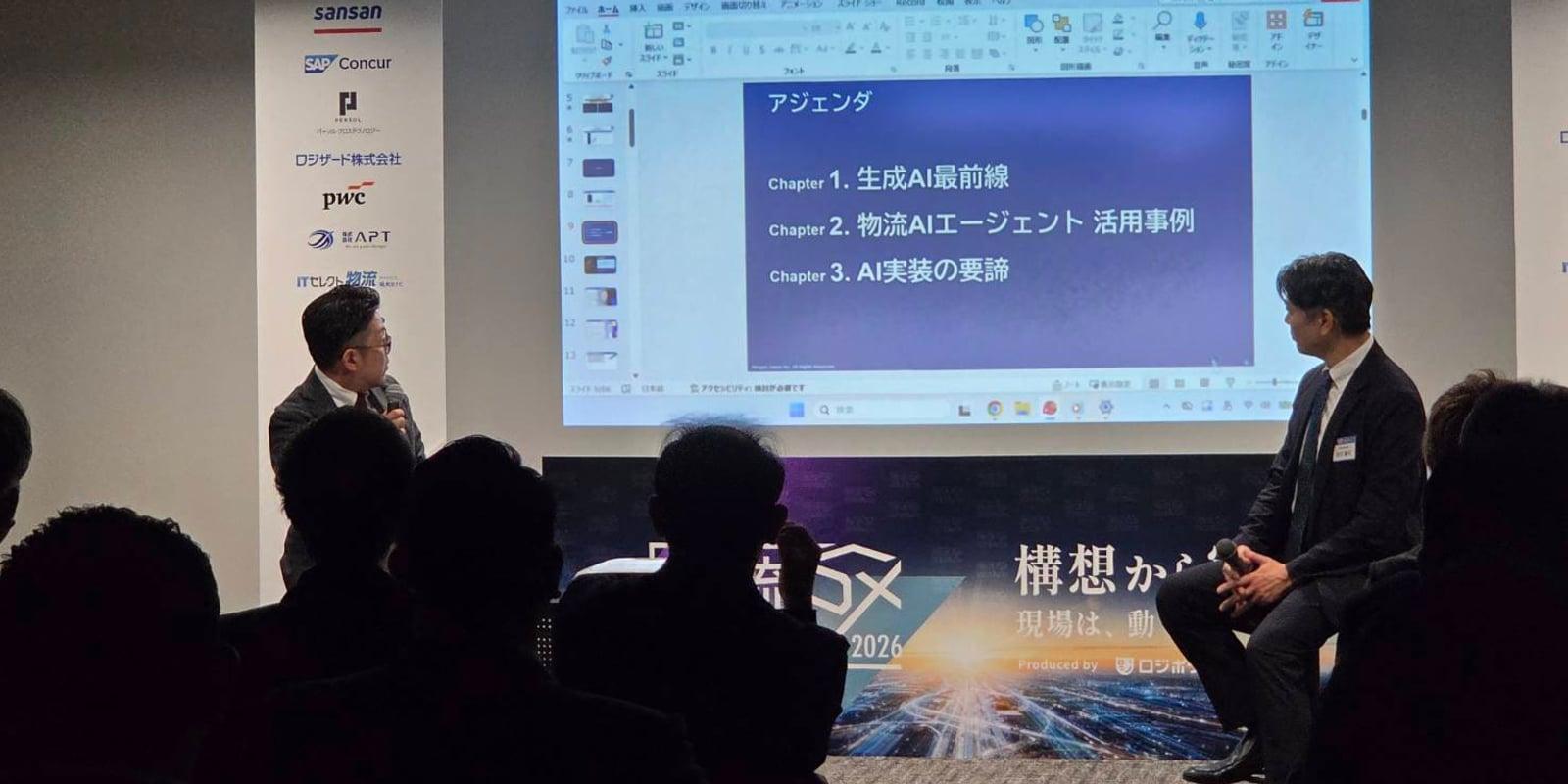 Chronicle|11.17.2026Logistics DX Future Conference 2026: Nexgen Japan's Ariki Ono and the University of Tokyo's Professor Kenji Tanaka on turning data into instructions for the front line
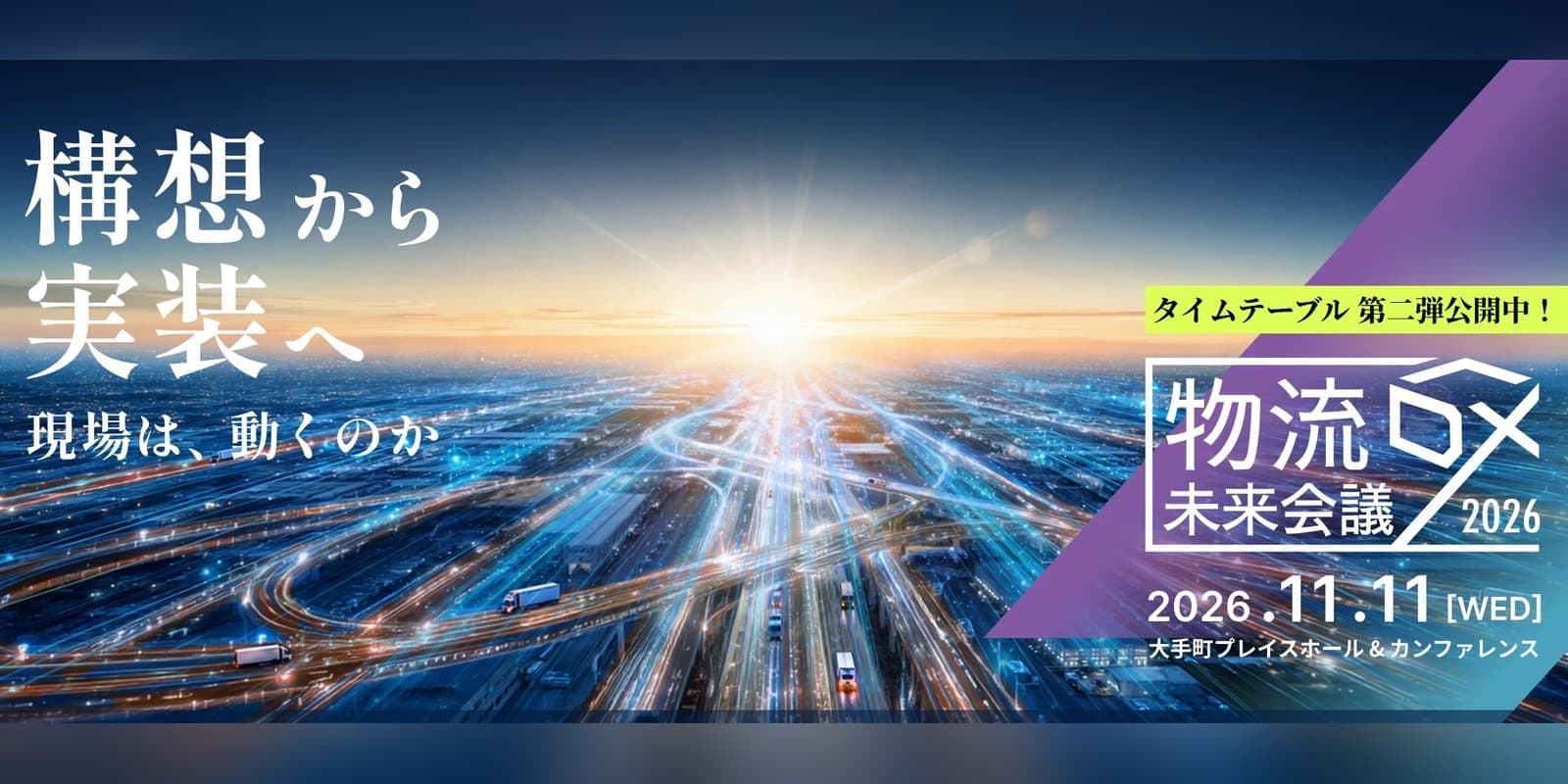 Media|11.05.2026Ariki Ono to join University of Tokyo's Professor Kenji Tanaka on stage at the Logistics DX Future Conference 2026 (11 November, Otemachi Place)
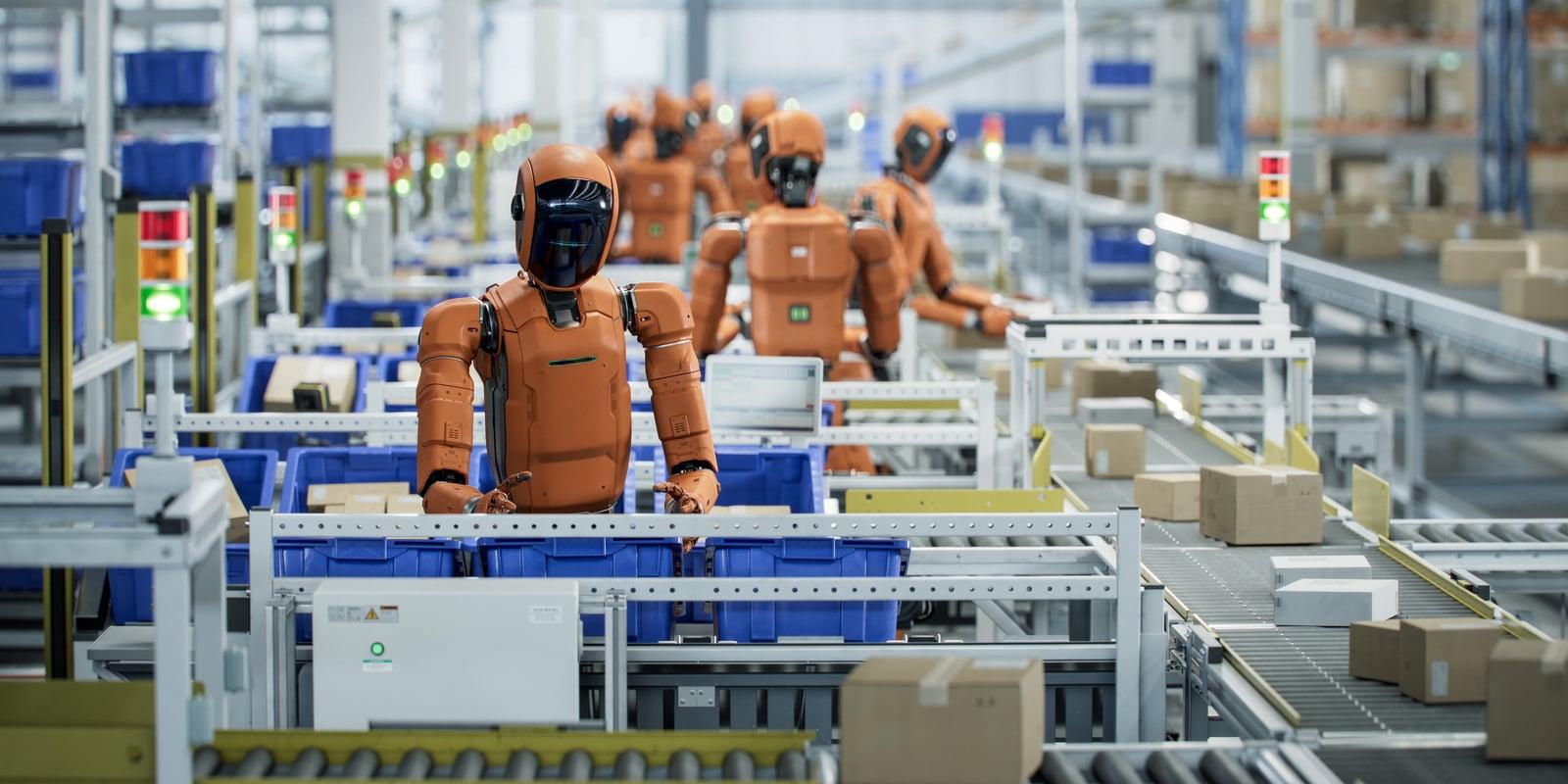 Expert View|10.12.2026How Physical AI Learns: What Humanoid Robots in Logistics Learn From, and How They Are Trained
Service
From the boardroom to the front line, an organisation fluent in AI.
View service details